
The Allure of Risk and Reward
The psychology behind casino gambling is deeply rooted in the concepts of risk and reward. Gamblers are often drawn to the thrill of uncertainty; the potential for a big win can be incredibly enticing. This attraction is partially explained by the dopamine response in the brain, where the anticipation of a reward triggers pleasure. For many, the thought of striking it rich can overshadow the actual odds, which are often stacked against them. Some players might even explore options such as neosurf casino to enhance their gaming experience, as the excitement of placing a bet can momentarily mask the rational understanding of low probabilities, making the experience exhilarating yet deceptive.
This allure is further amplified by various gaming design elements, such as sound effects, colorful visuals, and the atmosphere of excitement within casinos. Players often experience a rush as they engage in games of chance, leading to a state known as «the zone.» In this mental state, individuals might become hyper-focused on the game, ignoring the losses they’ve incurred. It’s this immersive experience that solidifies the draw of gambling, encouraging players to return even after facing setbacks. The designs and features of games are meticulously crafted to keep players engaged, reinforcing the thrill of the chase and the hope of winning.
Moreover, social aspects play a critical role in the gambling experience. Many individuals enjoy the communal environment of casinos, where interaction with other players can enhance the excitement of the game. This social dimension provides a sense of belonging and can lead to increased spending. Gamblers may feel a sense of camaraderie with others in the casino, creating an environment where the social reward of shared experience further fuels the urge to gamble, regardless of the financial consequences. The combination of social interaction and the thrill of risk creates a potent mix that is hard to resist for many players.
The Illusion of Control
A significant psychological phenomenon relevant to casino gambling is the illusion of control. Many gamblers believe they can influence the outcome of games that are fundamentally random. This belief is often observed in games like dice or poker, where players may think their strategy can beat the odds. Consequently, they tend to underestimate the inherent randomness of these games, leading to overconfidence in their abilities. This perception can create a cycle where individuals continue to gamble with the belief that their next decision will yield positive results, often ignoring statistical realities.
The illusion of control is compounded by selective memory, where past victories are remembered more vividly than losses. This cognitive bias encourages gamblers to feel as though they possess skills that can lead to consistent wins. For instance, a player who wins a few hands in poker might walk away convinced they are particularly skilled, failing to account for the many times they lost. Such selective reinforcement can perpetuate gambling behavior, with players returning to the casino despite adverse outcomes, convinced their luck will change in the next round.
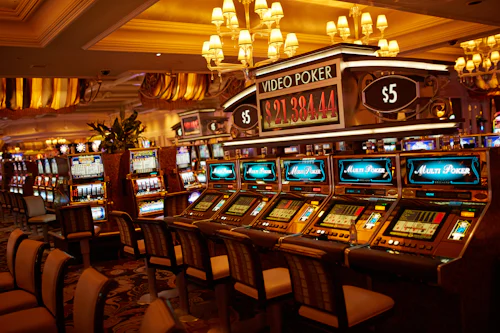
Furthermore, marketing strategies employed by casinos often exploit this psychological bias. Promotions that highlight winners and strategically place success stories in advertisements amplify the idea that anyone can achieve similar results. This representation can manipulate a gambler’s mindset, impacting their decision-making processes and leading them to engage more heavily in gambling activities. As a result, the illusion of control not only affects individual gamblers but also shapes the broader culture surrounding gambling itself, creating a cycle of expectation and disappointment that can be difficult to break.
Emotional Factors and Gambling
Emotions play a pivotal role in driving gambling behavior. Many individuals turn to gambling as a coping mechanism for stress, anxiety, or even boredom. The excitement found in games can serve as a temporary escape from everyday life, enabling players to forget their problems for a while. However, this reliance on gambling can lead to detrimental effects as players seek that emotional high, often at the expense of their financial health and personal relationships. The cycle of chasing wins can create a false sense of security that masks deeper emotional issues.
Additionally, the highs and lows associated with gambling can create a rollercoaster of emotions. Winning can lead to feelings of euphoria, while losses may trigger anger or despair. This emotional volatility can be addictive, with players continually chasing the next high or attempting to reclaim their losses. In turn, this cycle reinforces the behavior as individuals struggle to find balance in their emotional responses, driving them further into the realm of gambling. The emotional landscape of gambling is complex, intertwining joy and despair in a way that can be both thrilling and destructive.
The intersection of emotions and gambling is further complicated by societal attitudes toward gambling. For some, it is viewed as a fun pastime, while others may see it as a dangerous addiction. This societal stigma can either deter individuals from seeking help or, conversely, can contribute to an increased desire to gamble to escape feelings of shame or guilt. Understanding these emotional dimensions is essential in recognizing the psychological drivers of gambling and the potential need for support systems for those affected. Addressing these emotional triggers is vital for fostering healthier gambling behaviors and ensuring that individuals do not fall victim to the darker sides of gambling.
Cognitive Biases and Gambling Decisions
Gamblers are often influenced by cognitive biases that can skew their decision-making processes. One of the most common biases is the gambler’s fallacy, the mistaken belief that past events can influence future outcomes in games of chance. For example, a player may think that because a particular number has not come up in a long time, it is «due» to appear. This misconception leads many to place irrational bets, believing that their chances of winning have somehow increased, despite the odds remaining constant. This flawed reasoning can perpetuate a cycle of gambling that is difficult to escape.
Another notable cognitive bias is the concept of loss aversion, where gamblers are more affected by losses than by equivalent gains. This can lead to persistent gambling behavior as individuals attempt to recover lost funds. The emotional pain associated with losing can create a powerful urge to continue gambling, hoping that a win will balance out their previous losses. This mindset can result in escalating bets, putting individuals in a precarious financial situation as they chase an elusive return to even, often leading to greater financial distress.
Awareness of these cognitive biases is crucial for understanding gambling behavior. Recognizing the irrational tendencies that often govern decisions can help individuals make more informed choices. Education on these biases, especially in therapeutic settings, can empower gamblers to pause and reflect before reacting impulsively. Ultimately, addressing cognitive biases is a critical component in fostering responsible gambling habits, allowing individuals to engage with games of chance without falling prey to these psychological traps. By understanding how biases influence behavior, gamblers can develop healthier relationships with gambling.
Insights from Our Website
Our website is dedicated to providing valuable insights into the world of gambling and its psychological components. By exploring the intricate relationship between psychology and gambling behaviors, we aim to equip our readers with knowledge that empowers informed decisions. Understanding the underlying motivations and cognitive biases can foster healthier engagement with gambling activities, reducing the risk of addiction and other negative consequences. We believe that education is key to navigating the complex landscape of gambling.
We strive to create a supportive community where individuals can learn and share experiences related to gambling. By providing resources, articles, and expert opinions, our goal is to raise awareness about the potential risks associated with gambling while highlighting strategies for responsible play. Our commitment to education and support sets us apart as a reliable resource for anyone interested in the psychological aspects of gambling. We encourage dialogue and sharing among our readers to foster a culture of understanding and support.
Whether you are a casual gambler or someone seeking to understand the deeper motivations behind this behavior, our website offers comprehensive content to enhance your awareness. We believe that informed individuals are better equipped to navigate the complexities of gambling, fostering a safer and more enjoyable experience. Join us in exploring the fascinating psychology behind casino gambling and its impact on individuals and society as a whole. Together, we can create a more informed and responsible gambling community.
